The Complete Guide: What is Pepper Relish, History, Varieties, and Delicious Uses
A Journey Through Time: The History of Pepper Relish
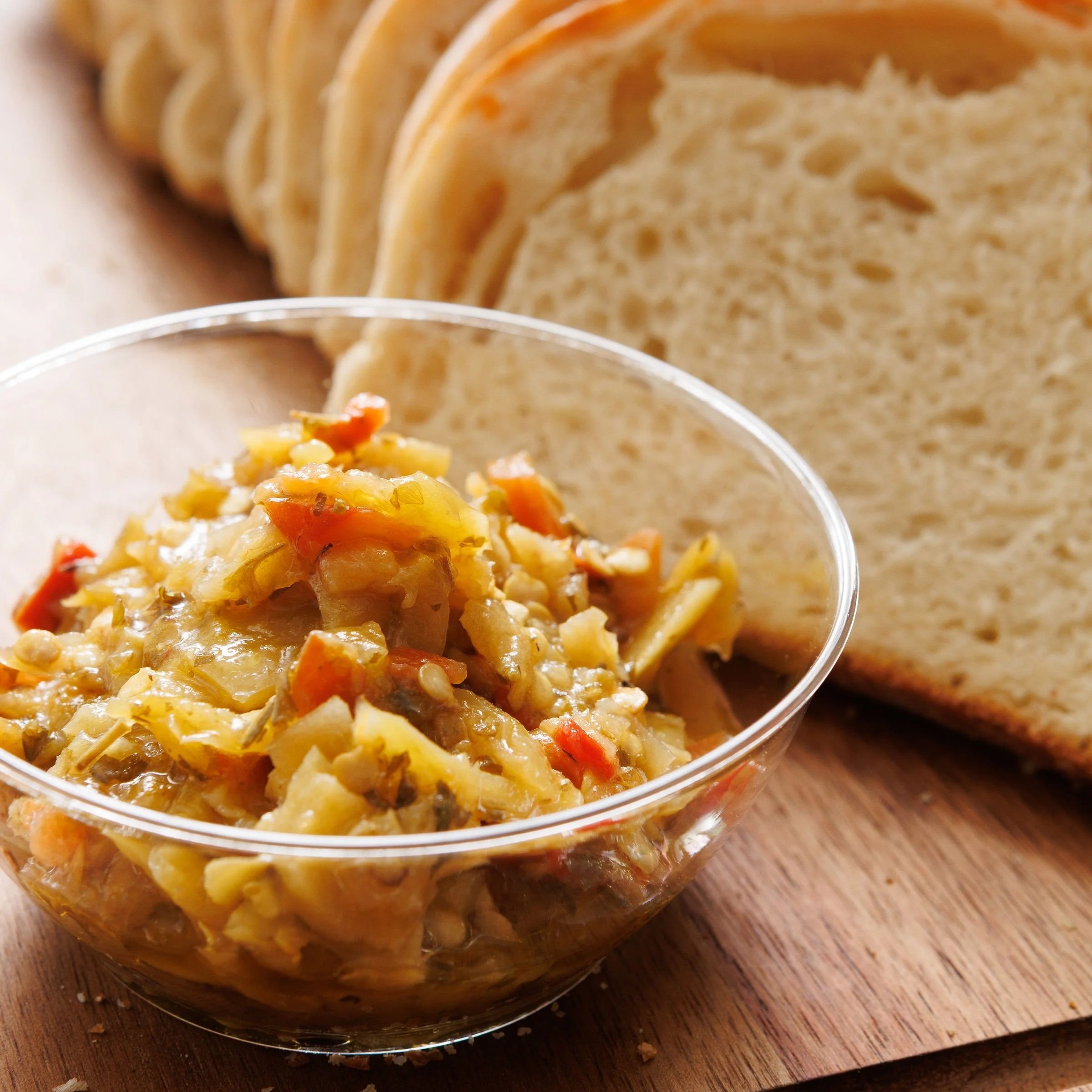
Pepper relish has its roots in necessity as much as flavor. Long before grocery stores and refrigerators, people needed reliable ways to preserve their harvests. Peppers, which grow abundantly in many climates and pack bold flavor, were a natural candidate. Chopping them finely and preserving them allowed households to enjoy their punchy taste long after the growing season ended.
Relishes as a category emerged in Europe during the Middle Ages, where preserves were commonly used to brighten otherwise heavy meals. As peppers spread from the Americas to Europe following the Columbian Exchange, they quickly found their way into these preservation techniques. Over time, pepper relishes evolved into regional specialties, each reflecting local tastes, available peppers, and culinary traditions.
The American Canning Boom
Pepper relish truly came into its own in the United States during the late 19th and early 20th centuries, when home canning became widespread. Advances in glass jar production and an increased understanding of food safety made it easier for families to preserve vegetables at home.
This era also coincided with the rise of hot dogs, sausages, and deli sandwiches—foods that practically beg for a tangy, crunchy topping. Pepper relish became a staple condiment at picnics, ballparks, and backyard cookouts, especially in the Midwest and Northeast. It was affordable, shelf-stable, and endlessly adaptable, cementing its place in American food culture.
Hungarian Tradition
In Hungary, pepper relish takes on a distinctly regional identity. Known as paprikakrém or found in chopped pepper preserves, Hungarian versions often highlight wax peppers and paprika-forward flavor profiles. These relishes tend to be less sweet than American styles and lean more savory, sometimes with garlic or additional spices.
Hungarian pepper relishes are commonly used as cooking ingredients rather than just condiments—stirred into stews, spread on bread, or served alongside meats. This tradition underscores how pepper relish isn’t just a topping, but a foundational flavor component in many cuisines.
For traditional family recipes using Hungarian wax peppers, explore these treasured preparations.
Types of Pepper Relish You Should Know
Pepper relish isn’t a one-size-fits-all condiment. Depending on the peppers used, the balance of sugar and vinegar, and regional preferences, the flavor profile can vary dramatically. From sweet and mild to fiery and bold, there’s a pepper relish for nearly every palate.
Sweet Pepper Relish
Sweet pepper relish is the most familiar variety for many people. Made primarily with bell peppers and a generous amount of sugar, it offers bright tanginess without much heat. This is the classic relish you’ll find spooned over hot dogs, mixed into potato salad, or used as a sandwich spread. Its mildness makes it incredibly versatile, especially for those who enjoy pepper flavor but shy away from spice.
Hot Pepper Relish
Hot pepper relish turns up the heat by incorporating chili peppers like jalapeños, cherry peppers, or Hungarian wax peppers. While still balanced with sugar and vinegar, the spice is unmistakable. This type of relish pairs beautifully with grilled meats, sausages, eggs, and even creamy dishes where the heat can cut through richness. It’s a favorite for anyone who likes their condiments to bite back just a little.
Hot Chopped Pepper Relish
Often chunkier and more aggressive in flavor, hot chopped pepper relish features coarsely chopped hot peppers with minimal sweetness. The texture is rougher, and the heat is front and center. This style is commonly found in Italian-American delis, where it’s piled onto subs, stirred into marinara sauces, or served alongside cured meats. It’s less about balance and more about boldness.
Pepper and Onion Relish
Pepper and onion relish emphasizes savory depth by giving onions equal billing with the peppers. The onions soften during cooking, adding sweetness and umami that round out the sharper vinegar notes. This variety works especially well as a topping for burgers, bratwurst, or roasted vegetables, and it’s a great gateway relish for people who prefer savory condiments over sweet ones.
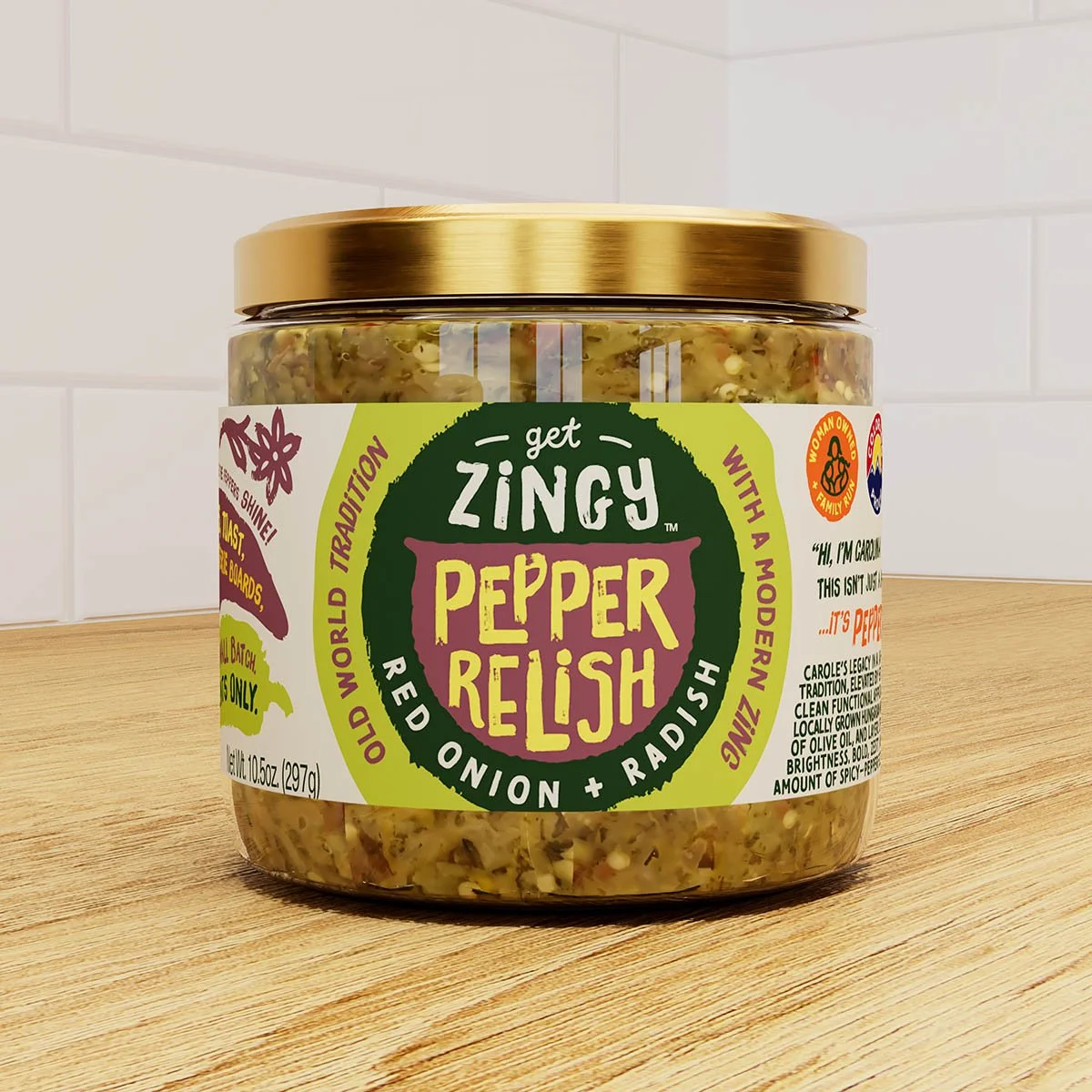
If you'd rather skip the chopping and simmering, our Get Zingy pepper relish captures that perfect balance of peppers and onions, ready to elevate your next meal.
Frequently Asked Questions about Pepper Relish
What Does Pepper Relish Taste Like?
Get Zingy pepper relish delivers a bold, savory flavor rather than the sweet-and-tangy profile many people expect. The first thing you’ll notice is the bright, slightly spicy bite of wax peppers, followed by the mellow sweetness of red bell peppers. Olive oil smooths everything out, giving the relish a rich, rounded mouthfeel.
Garlic powder, oregano, and parsley add a subtle herbal backbone, while salt enhances the natural pepper flavor without overpowering it. A touch of citric acid provides gentle brightness, keeping the relish fresh and balanced without the sharp acidity of vinegar. The result is a deeply flavorful, Mediterranean-leaning condiment that complements food instead of masking it.
What’s In Get Zingy Pepper Relish?
Get Zingy keeps it simple and intentional, using a short list of clean ingredients that let the peppers shine:
Wax peppers: The primary ingredient, offering a mild to medium heat with crisp pepper flavor
Red bell peppers: Add natural sweetness and depth without added sugar
Olive oil: Creates a smooth, savory base and carries the flavors of the herbs and peppers
Salt: Enhances and balances the natural flavors
Garlic powder: Adds savory warmth without overpowering the peppers
Oregano & parsley: Provide a subtle herbaceous finish
Citric acid: Adds light brightness and helps maintain freshness without vinegar
There are no added sugars, no vinegar, and no artificial preservatives, making this relish a standout for those who prefer bold, savory flavor profiles.
Is Pepper Relish the Same as Salsa?
No — and Get Zingy’s version makes the distinction even clearer.
Base ingredients: Salsa is typically tomato-based, while Get Zingy pepper relish is entirely pepper-driven.
Flavor profile: Salsas lean fresh and acidic; Get Zingy relish is savory, herb-forward, and rich thanks to olive oil.
Preservation method: Traditional relishes rely on vinegar and sugar, while Get Zingy uses olive oil and citric acid for balance and stability.
Texture: Pepper relish has a smoother, more cohesive texture designed for spreading, spooning, or cooking.
Culinary use: Salsa is often a dip; pepper relish shines as a topping, sandwich spread, or cooking ingredient.